Natural, organic, biodynamic wine: what it really means
Three words you hear everywhere, often mixed up. The short version: organic is about the vineyard, biodynamic goes one step further in the growing, natural is also about what happens in the cellar. Here is the long version — the one we tell at the counter, place Bel-Air.
Organic: grapes grown without synthetic chemicals
Organic wine is first a vineyard matter: no synthetic pesticides or fertilisers, with a certification to prove it. That is the foundation. But organic says almost nothing about winemaking: an organic wine can be yeasted, filtered, corrected — technically flawless and short on emotion.
Biodynamic: the vineyard as a living organism
Biodynamics takes organic farming further: natural preparations to strengthen the vines, attention to cycles — including the moon —, a search for balance between soil and plant. You may smile at the buried horns; the fact remains that many of the world's greatest estates work this way, and the wines often gain in energy and precision.
Natural: winemaking without a safety net
Natural wine starts where the other two stop: in the cellar. Indigenous yeasts rather than bought ones, no additives, little or no added sulphites. The grape, the whole grape, nothing but the grape. It is the most demanding style — without a net, every flaw shows — and the most moving when done well: living, digestible wines that tell you where they come from.
A well-made natural wine is not a strange wine. It is a wine with nothing to hide.
Our winemakers, a few kilometres from place Bel-Air
The luck of being in Nyon is that all of this happens nearby. In our cellar, three houses of La Côte illustrate these three paths:
- Domaine de Montbenay — the de Watteville family has farmed this land since 1543; part of the winemaking happens in amphorae. Fifteen generations on, it is still alive.
- Domaine La Colombe — Raymond and Violaine Paccot, in Féchy, leading figures of biodynamics in Vaud: chasselas of a purity that reconciles you with the grape.
- Graenicher Vins — Vincent Graenicher, whose Es Cordelières cuvée carries the Premier Grand Cru appellation: proof that tradition and living wine are not opposites.
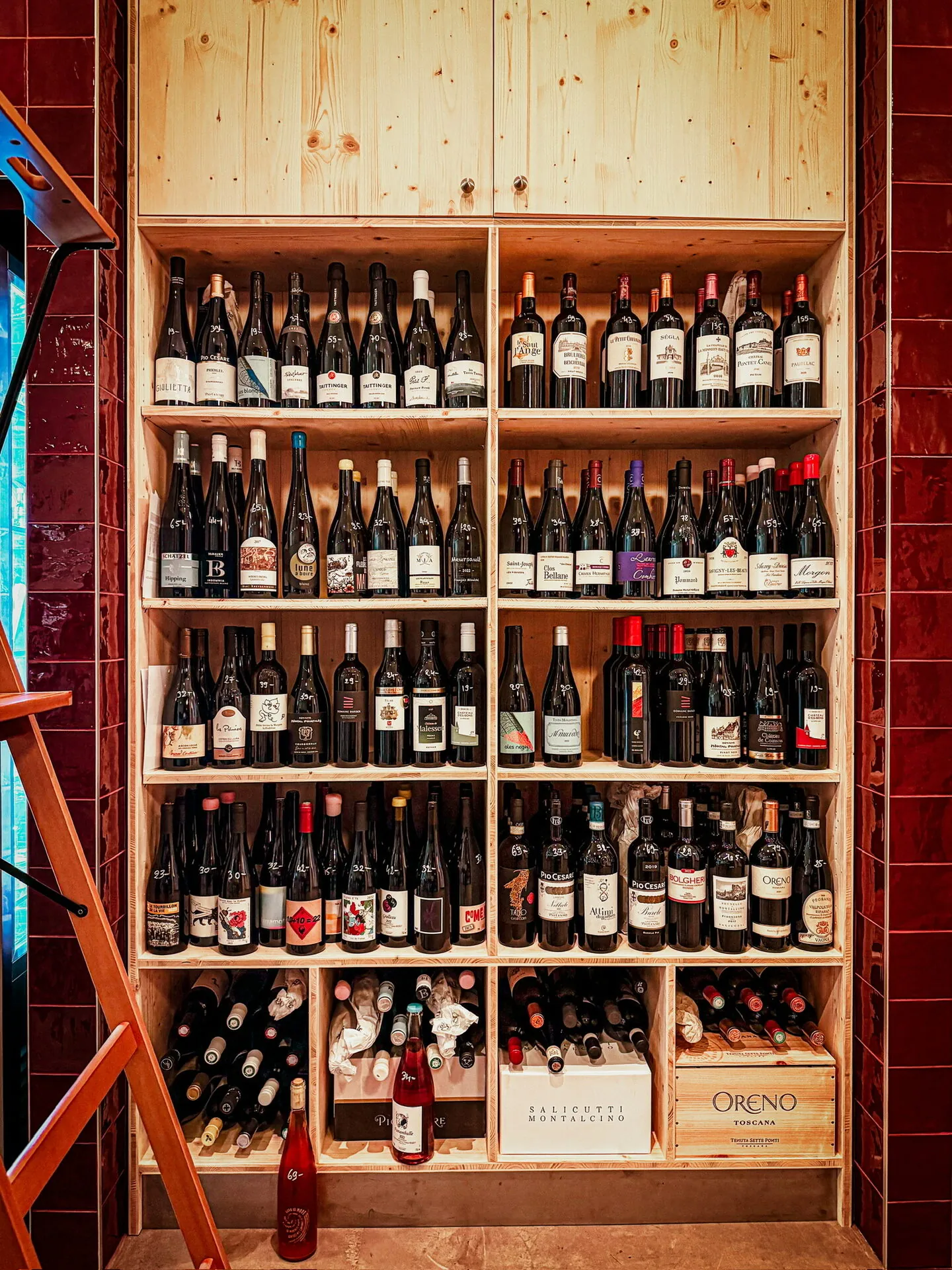
Our cellar is above all a living one — natural, organic, biodynamic — with fine traditional labels too, because a beautiful wine remains a beautiful wine. The selection is listed on raisin.digital, the living-wine app.
How to taste them
By the glass at the counter, at the table with the weekly menu, or to take away as from a wine shop — we help you pick the right bottle for what you are cooking. And several times a season, our winemaker evenings and tastings bring in the people who make the wine.
Frequently asked questions
What is the difference between organic and natural wine?
Organic is about the vineyard: grapes grown without synthetic chemicals. Natural is also about the cellar: vinified without additives, with little or no added sulphites and indigenous yeasts. Any serious natural wine starts from organic grapes; the reverse is not true.
Is natural wine always cloudy or unstable?
No. Some are slightly cloudy because they are neither filtered nor fined, but a well-made natural wine is clean and precise. Choosing those is our job.
Where can I drink or buy natural wine in Nyon?
At our place, place Bel-Air 5: wine bar on site and cellar to take away, Tuesday to Saturday. The selection is on the cellar page and listed on raisin.digital.